

Five Virtues : ค้นหาหนังสือธรรมะ หน้า 2 / 2
หน้าหนังสือทั้งหมด
82
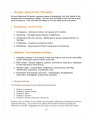
Hiri-Ottapa: Understanding Shame and Fear of Wrongdoing
… moral conscience. One who lacks hiri-ottapa is one who lacks moral conscience.
Pancadhamma -- the Five Virtues
1. Compassion – kindness to others; not causing harm to others
2. Generosity – charitable giving; …
…ience. Individuals devoid of these traits tend to lack ethical awareness. This text delves into the Five Virtues: compassion, generosity, contentment, truthfulness, and mindfulness, essential for moral living. Fu…
4
The Warm Hearted Family
The presence of the newborn will force the parents to work
even harder, so they will have enough to care for the child. The
more children they decide to have; the more their responsibilities
will incr
หนังสือเล่มนี้นำเสนอความรู้และประสบการณ์ในการฝึกอบรมตนเองเพื่อลดกิเลสและสร้างครอบครัวที่อบอุ่นและรักใคร่ การเลี้ยงดูเด็กอย่างเหมาะสมจะช่วยให้เด็กเติบโตเป็นคนดี หากเลี้ยงดูไม่ถูกต้องจะทำให้พวกเขามีพฤติ
176
Understanding Right Concentration in Mindfulness
the emperor. Similarly, discretional mindfulness monitors
all mental phenomena — if it is unwholesome, then to try to
reduce it. If it is wholesome, to give it the chance to grow.
8. Right Concentrat
This section discusses the concept of Right Concentration in mindfulness, highlighting its two essential characteristics: supporting role and focusing role. It draws analogies to illustrate how concen
136
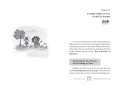
Teaching Children to Live by the Five Precepts
Chapter 32
Teaching Children to Live
by the Five Precepts
It is not an overstatement to say that teaching children to
abide by the Five Precepts is the most important responsibility
of their parents;
Teaching children to abide by the Five Precepts is crucial for shaping their futures and that of society. It is the responsibility of parents to impart these teachings, as many adults struggle to unde
170
The Wisdom of Ancestral Teachings on Family Values
family members fight over property or money. This causes
the decline of the very best in the family and problems can
only increase.
Since our ancestors fully understood this fact, they led
their desce
This text discusses the impact of family members fighting over property and money, highlighting how such conflicts lead to negative outcomes. Our ancestors recognized this issue and encouraged giving
98
Understanding Worthy and Unworthy Gifts
This Life Next Life
96
Asappurisadanasutta
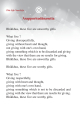
Bhikkhus, these five are unworthy gifts.
What five ?
Giving disrespectfully,
giving without heart and thought,
not giving with one's own hand
The Asappurisadanasutta discusses the nature of giving, categorizing gifts into two types: unworthy and worthy. Unworthy gifts are defined as those given disrespectfully, without genuine intent, not g
12
Asapurisaḍāṇa Sutta - The Worthiness of Gifts
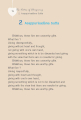
2. Asapurisaḍāṇa Sutta
Bhikkhus, these five are unworthy gifts.
What five ?
Giving disrespectfully,
giving without heart and thought,
not giving with one’s own hand,
giving something which is to be d
The Asapurisaḍāṇa Sutta explains the nature of giving in Buddhism, distinguishing between unworthy and worthy gifts. Unworthy gifts include those given disrespectfully, without thought, not given from
141
Understanding Impermanence, Suffering, and Not-Self
Impermanence [aniccān]: This is the built-in character of objects that are of a nature to change the whole of the time. Such things as the Five Aggregates of the Human Body are changing the whole of t
This text delves into the fundamental Buddhist concepts of impermanence (aniccān), suffering (dukkham), and not-self (anattā) as expressed through the Five Aggregates of the Human Body. It highlights
186
Understanding the Five Precepts and Spiritual Cultivation
Part Seven: Appendixes
All of these precepts are meant to decrease kilesa,
especially sexual desire and allow us to focus on spiritual
cultivation.
Five Precepts: five rules of conduct that we can cho
This section discusses the Five Precepts aimed at reducing kilesa, particularly sexual desire, fostering spiritual growth. The Five Precepts include refraining from killing, stealing, sexual misconduc
82
Bhojana Sutta: The Significance of Giving a Meal
8. Bhojana Sutta:
A Meal
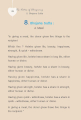
"In giving a meal, the donor gives five things to the recipient
Which five? He/she gives life, beauty, happiness, strength, & quick - wittedness.
Having given life, he/sh
The Bhojana Sutta highlights the spiritual significance of giving a meal, describing how the donor, by providing food, imparts five essential qualities to the recipient: life, beauty, happiness, stren
20
Superior Love through Superior Dhamma
Superior Love
through Superior Dhamma
Because we are human beings, none of us are perfect.
We all come with a baggage of deficiencies. We can
cope with our own deficiencies but we cannot
tolerate some
This text discusses the challenges of living with a partner and how the Dhamma provides guidance for a harmonious family life. It highlights the four virtues: truthfulness, self-control, endurance, an
57
Endurance Towards Stimulants of Defilements in Children
4) Endurance towards the stimulants of defilements
(kilsa). Children will not become slaves to alcohol and drugs, sexual attraction, money, praise and other problems. These stimulants cause major soci
The text discusses the importance of teaching children endurance against temptations such as alcohol, drugs, and the lure of money to prevent societal problems like corruption. It emphasizes the signi
90
Dhamma Principles for Various Aspects of Life
2) Dhamma for Education :
- Respecting One's Teacher.
3) Dhamma for Marriage :
- Jataka Stories on Women (Itthi)
4) Dhamma for General Management :
- A Buddhist Way to Overcome Obstacles.
- Good Emp
This text elaborates on Dhamma teachings applied to various life aspects including education with respect to teachers, marriage illustrated through Jataka stories of women, and management strategies e
26
The Importance of Good Habits in Education
CHAPTER 2
Furthermore, a good education system is essential in assisting the parent to
continue to build the knowledge of the individual along the right path to further
strengthen the fabric of human
This chapter discusses the significance of a solid education system in fostering good habits among individuals which leads to mental, physical health, and societal benefits. It defines habits, categor
126
Understanding Nibbana and Key Buddhist Concepts
Nibbana (Skt. Nirvana): the state of ultimate happiness, the happy condition of enlightenment, the highest spiritual attainment. This is not the sense-based happiness of the everyday livid; nor is it
Nibbana, or Nirvana, represents the ultimate happiness in Buddhism, transcending ordinary joy and marking the end of the rebirth cycle. It's a state of perfect enlightenment that goes beyond language,
143
Understanding the Dhamma Body and the Noble Path
Dhamma Body — not with the human eye or the naked eye.
All the knowledge that brought him to Buddhahood came
by the ‘knowing’ of the Dhamma Body, not by rationale or
reasoning with the logical (hum
The Dhamma Body can only be perceived beyond the human eye, allowing the Buddha to grasp deep truths about existence. His compassion drove him to teach the Noble Path for the liberation of others, adv
152
The Significance of the Triple Gem and Six Recollections
1. Recollection of the virtues of the Buddha with the words "Itipi so bhagavā arahant sammāsambuddho..."
2. Recollection of the virtues of the Dhamma with the words "Suākkhāto bhagavā dhammo..."
3. R
This text emphasizes the importance of recollecting the virtues of the Buddha, Dhamma, and Sangha, along with mindfulness of the body and the cultivation of compassion and loving-kindness towards all
251
60+ Books on Buddhist Principles and Thai Tradition
Authorship and compilation of more than sixty book titles including: Ovadapatimokkhā (Thai), The Ten Virtues of a Monarch (Thai), The Virtuous Person the World Awaits (Thai), A Buddhist Way to Overcom
This collection features works authored or compiled by an expert in Buddhist philosophy and Thai traditions. The titles span various themes including virtues of a monarch, Buddhist ways to overcome ob
141
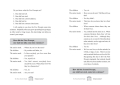
Understanding the Five Precepts
Do you know what the Five Precepts are?
1. One shall not kill.
2. One shall not steal.
3. One shall not commit adultery.
4. One shall not lie.
5. One shall not consume intoxicants.
I will explain to y
In this explanation of the Five Precepts, the origin of the first precept, 'one shall not kill', is explored through a dialogue between a senior monk and children. The importance of self-love and the
142
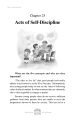
Acts of Self-Discipline: Understanding the Five Precepts
Part Five: Truth for the Family
Chapter 25
Acts of Self-Discipline
What are the five precepts and why are they
important?
"The rules to live by" that good people universally
adhere to are known in as
In Chapter 25, 'Acts of Self-Discipline,' the importance of the Five Precepts is discussed as essential guidelines for living ethically. Many young people today overlook these codes, viewing virtuous